
Last updated September 25, 2026
ADU Design & Permitting Maintenance Checklist for West Hollywood Homeowners
The single most undervalued document in an ADU project isn’t the permit - it’s the stamped, approved plan set you’re legally entitled to receive at project close. Without it, your next contractor is guessing at your walls. In West Hollywood, where the median home sale now clears $1.4 million and every square foot affects assessed value, that guesswork can cost tens of thousands in rework or denied future permits. Most ADU Permits, Codes & Inspections in CA: What You Need to Know stop at certificate of occupancy. This one treats your closing document package as phase one of a long-term ownership record. You’ll learn exactly what documents to demand, how to maintain permit-tied systems without voiding compliance, and how to protect resale value in a city where planning conditions follow the property, not the owner.
Quick Answer
West Hollywood homeowners should maintain five critical ADU Design & Permitting document categories after ADU completion: the stamped approved plan set, soils report, Title 24 energy compliance report, inspection sign-off card, and certificate of occupancy. Annual maintenance must verify smoke/CO detector placement matches approved plans, service mechanical systems per permit scope, and preserve waterproofing warranties tied to inspection records. File the ADU with the Los Angeles County Assessor to avoid supplemental tax surprises, and calendar all WeHo planning conditions - owner-occupancy requirements and short-term rental restrictions - that survive the certificate of occupancy.
Table of Contents
- The Closing Document Package: What You’re Owed and Why It Matters
- Annual Maintenance Tied to Permit-Required Systems
- Filing Your ADU on the Assessor Record: Avoiding Supplemental Tax Surprises
- WeHo Planning Conditions That Survive Certificate of Occupancy
- When Documents Are Missing: The WeHo Building & Safety Records Request Process
- Prefab and Modular Systems: Special Maintenance Documentation
- Preparing Your Document Package for Resale
 Before
 After
AfterThe Closing Document Package: What You’re Owed and Why It Matters
At project close, most West Hollywood homeowners receive keys and a certificate of occupancy. Fewer receive the complete document package that makes future work possible. Here’s what California law and the ADU Design & Permitting in West Hollywood process entitle you to - and what each document protects.
The Stamped, Approved Plan Set
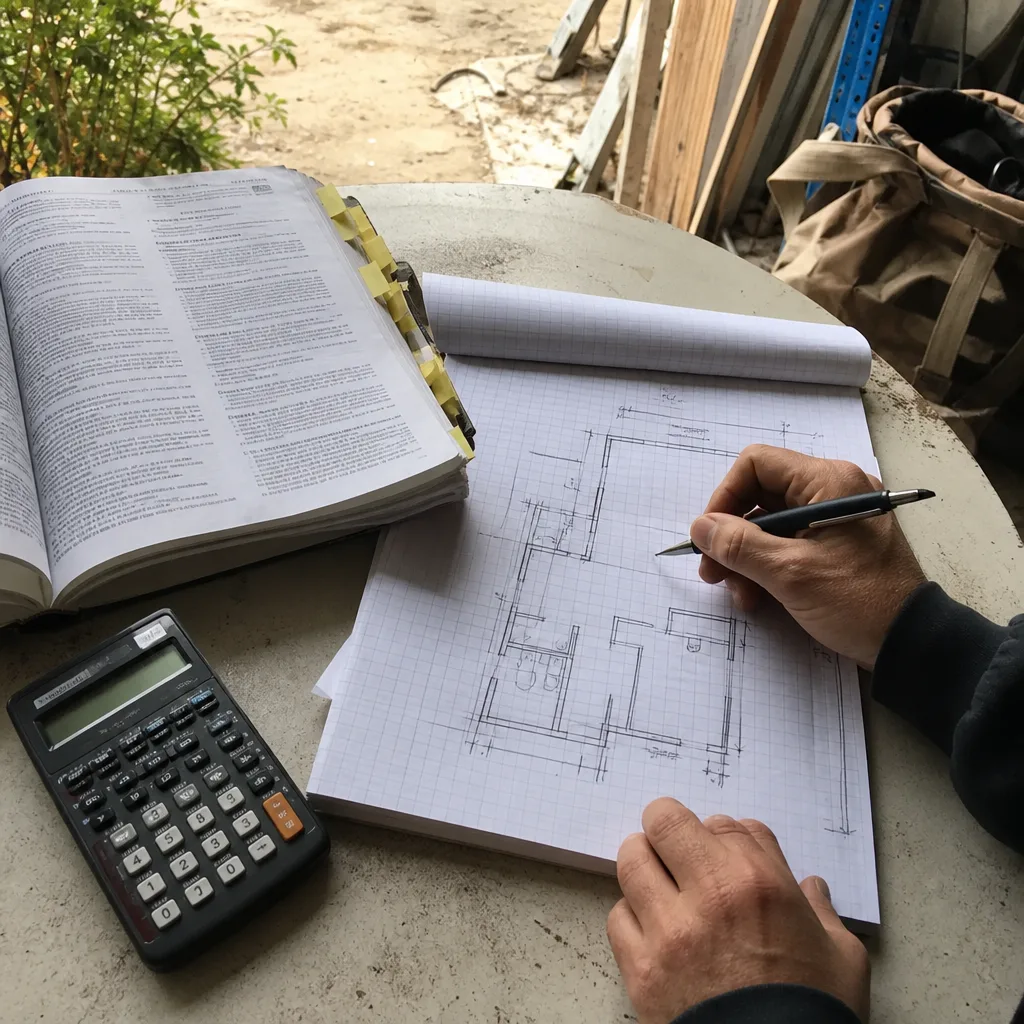
This is your property’s DNA. The set includes architectural sheets, structural calculations, MEP (mechanical, electrical, plumbing) plans, and energy compliance details - all bearing the city plan check stamp and approval date. Without it, any future contractor must reverse-engineer your walls, guess at load paths, or submit new plans for work that should qualify as repair. We’ve seen West Hollywood homeowners pay $8,000-$15,000 for as-built drawings because the original set was lost.
Store the original in a fireproof container. Scan every page to cloud storage. The stamp is what matters - unapproved “for reference” drawings from your designer carry no legal weight with Building & Safety.
Soils Report (If Applicable)
Any new detached ADU or garage conversion with foundation work in West Hollywood requires geotechnical review. The soils report documents bearing capacity, expansion potential, and any engineered fill or remediation. In the Beverly Grove-adjacent areas where fill soils from early 20th-century grading are common, this report protects you if settlement cracks appear five years later. Your foundation warranty likely references it explicitly.
Title 24 Energy Compliance Report
California’s energy code compliance is project-specific. The CF-1R and CF-6R forms document your insulation values, window U-factors, HVAC efficiency, and solar readiness requirements. When you replace a water heater or upgrade your HVAC, this report determines what equipment qualifies without triggering a full Title 24 re-submittal. In West Hollywood’s mild but warming climate, where heat pump sizing is increasingly critical, this isn’t paperwork - it’s your equipment shopping list.
Inspection Sign-Off Card (Green Card or Digital Equivalent)
WeHo Building & Safety now uses digital inspection tracking, but the principle holds: this is the record of every rough and final inspection passed. It proves your ADU was built to the approved plans, not just “to code.” For resale, buyers’ inspectors will spot unpermitted work; this card is your rebuttal. For insurance claims after damage, carriers may deny coverage for unpermitted alterations.
Certificate of Occupancy (C of O)
The C of O is your legal authorization to occupy. But in West Hollywood, it’s also a planning document - it may carry conditions (owner-occupancy, rental term minimums, parking requirements) that bind subsequent owners. The C of O itself should list these conditions in the “Notes” section. Read them. Calendar them. They’re not suggestions.
At Ellery ADU Studio West Hollywood, every project closes with a bound document set and digital archive, per our standard. Under Haven Standard Clause 7 (Complete Documentation), clients receive the full package before final payment is due - not “when we get around to it.”
Annual Maintenance Tied to Permit-Required Systems
Maintenance that ignores permit conditions isn’t maintenance - it’s compliance drift. Here’s what to verify annually, tied to the specific systems your West Hollywood permit approved.
Smoke and Carbon Monoxide Detectors
Your approved plans specify detector type, placement, and interconnect method (hardwired, wireless, or hybrid). Moving a detector six inches to accommodate a shelf voids your compliance with the permit. Annual check:
- Verify every detector location matches the approved plan set - not “close enough,” exact.
- Test interconnect function: trigger one detector, confirm all sound.
- Replace batteries in wireless units per manufacturer interval, or hardwired backup batteries annually.
- Document with dated photo. If a fire marshal inspects after an incident, “it was working last I checked” fails; “here is the March 2025 test photo, location matches plan sheet A-3” succeeds.
Forced Air Unit (FAU) Service Intervals
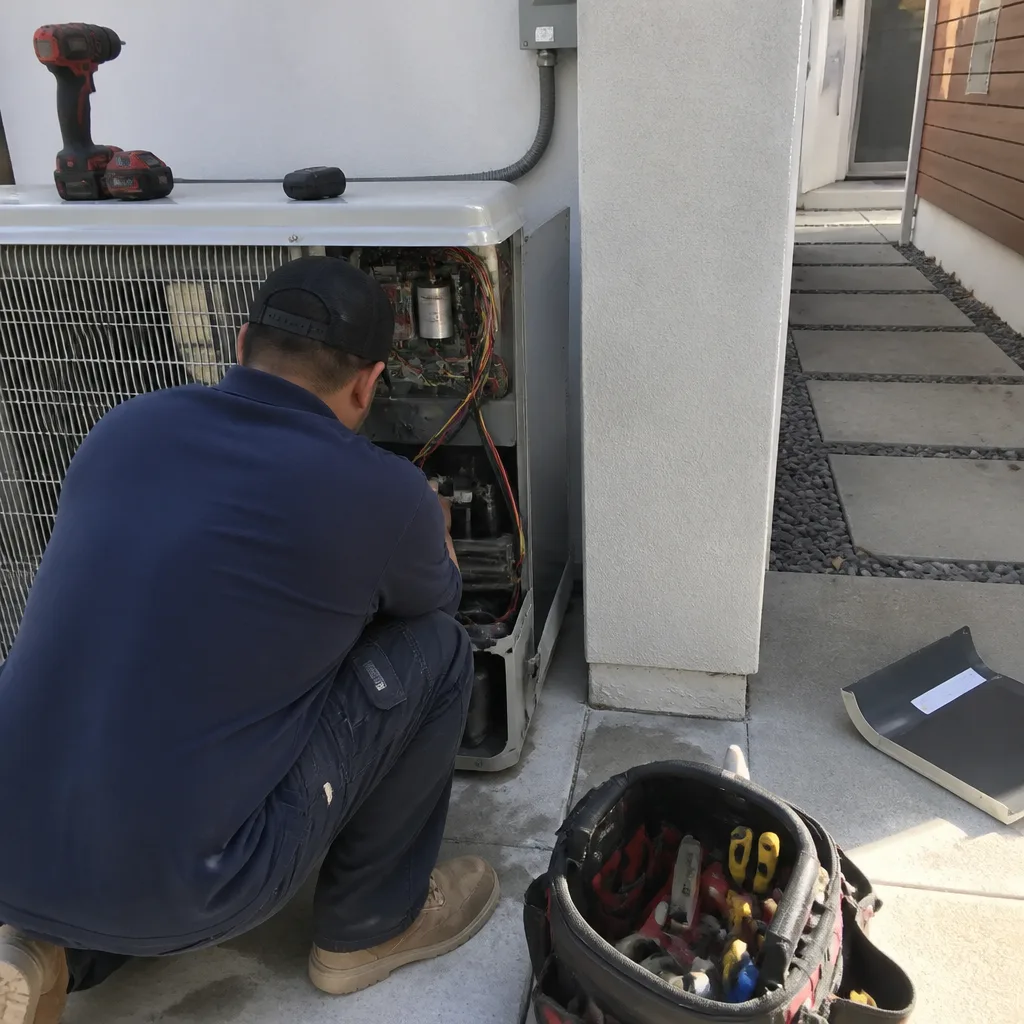
Your mechanical permit scope approved specific equipment with specific efficiency ratings. Annual HVAC service must use filters meeting the MERV rating in your Title 24 report, and any replacement equipment must match or exceed the original SEER2/HSPF2 values. In West Hollywood’s combination of marine layer moisture and inland heat spikes, we’ve seen condensate drains clog and pan switches fail - both tied to permit-approved installation details. Service records should reference your permit number; this links maintenance to the original compliance documentation.
Waterproofing and Drainage Systems
WeHo’s winter rain concentration - typically 90% between November and March - makes waterproofing warranty preservation critical. Your inspection sign-off card documents the waterproofing system brand, installation date, and inspector approval. Annual maintenance:
- Inspect deck coatings and flashing at door thresholds before each rainy season.
- Clear drains and scuppers; standing water voids most manufacturer warranties.
- Re-seal penetrations (plumbing vents, electrical conduits) with the specific sealant type noted in your permit set.
- Photograph condition annually. Warranty claims require maintenance documentation.
Electrical Panel and Subpanel
Your electrical permit approved specific load calculations and panel capacity. Adding a 240V EV charger or upgrading kitchen appliances without load verification risks overload and voids insurance coverage. Annual check: verify panel labeling matches approved plans, test AFCI/GFCI function, and confirm no double-tapped breakers have been added.
Foundation and Slab (Garage Conversions Especially)
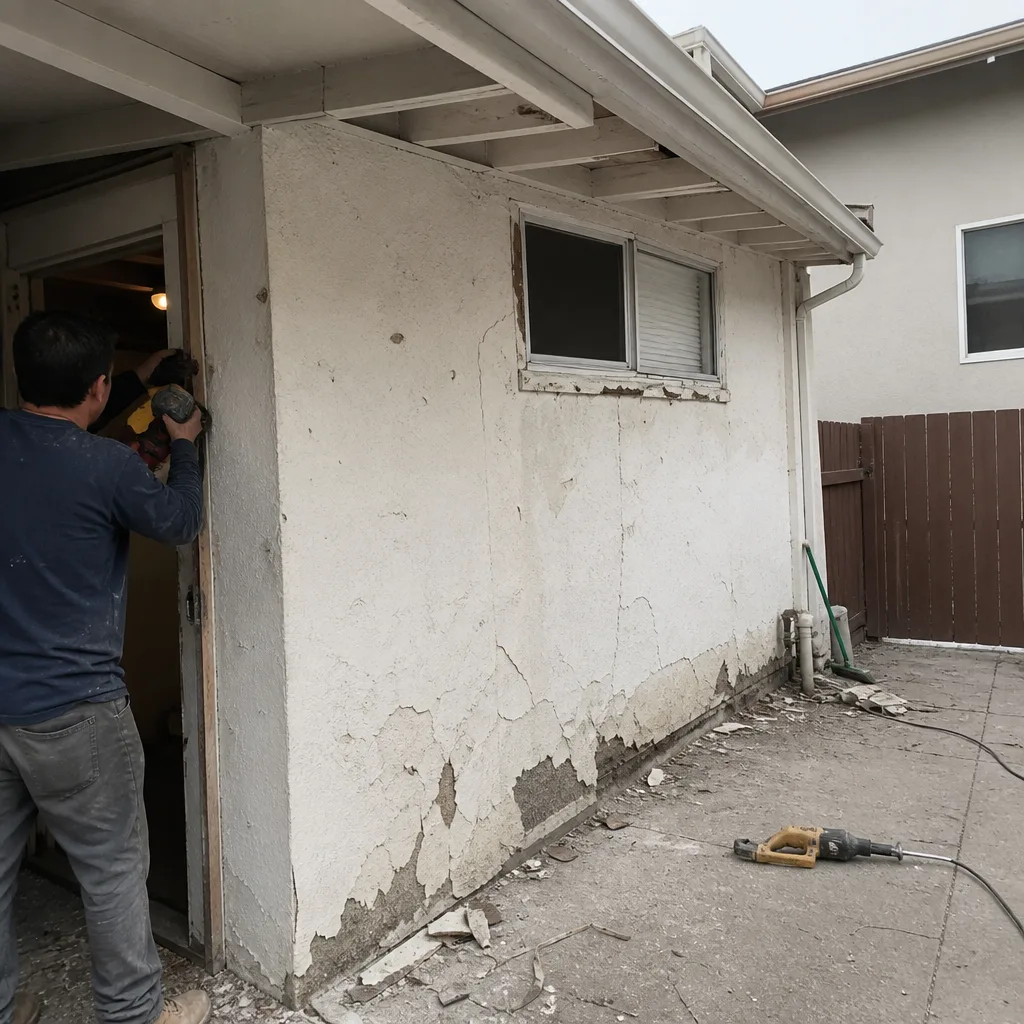
Garage Conversion ADU in West Hollywood projects often reuse existing slabs. Your structural plans specify slab thickness, reinforcement, and vapor barrier condition. Annual inspection for cracks wider than 1/8 inch, especially in the older concrete common in WeHo’s 1920s-1950s housing stock, should reference your soils report and structural engineer’s crack-tolerance notes.
Filing Your ADU on the Assessor Record: Avoiding Supplemental Tax Surprises
Here’s a West Hollywood-specific issue most guides ignore: the Los Angeles County Assessor may not automatically recognize your completed ADU for years, then hit you with a supplemental tax bill covering the gap - plus penalties. Proactive filing protects you.
After receiving your C of O, submit a Building Permit Completion Notice to the Assessor’s office within 30 days. Include:
- Copy of the certificate of occupancy
- Copy of the approved plan set (shows square footage and configuration)
- Completed Assessor’s questionnaire (available online, but the paper version with receipt stamp is your proof)
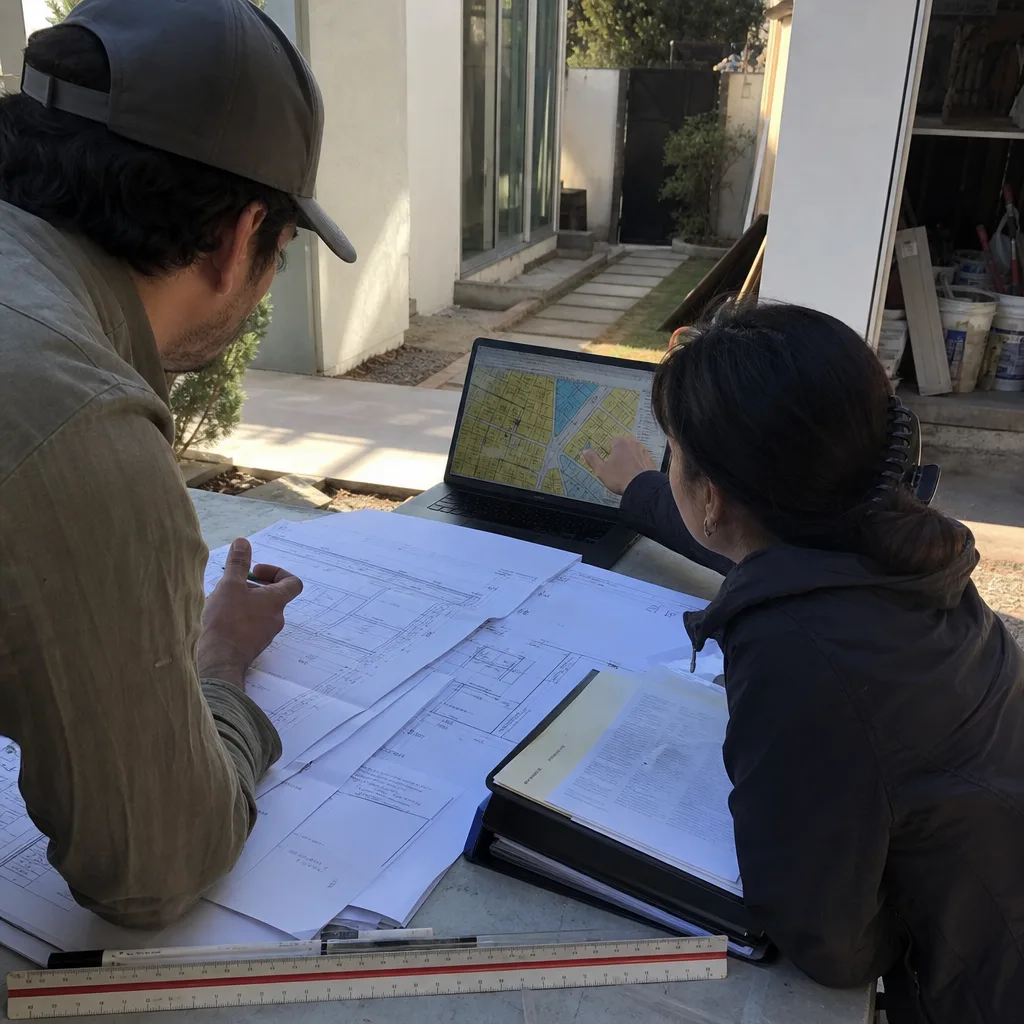
The Assessor will schedule a physical inspection to verify the ADU exists and measure it. Their measurement governs your tax basis - not your contractor’s, not your architect’s. Discrepancies are common: a covered porch counted as interior space, or a storage loft excluded. Attend this inspection with your approved plans. Point out what is and isn’t conditioned space per your Title 24 report.
In West Hollywood’s Proposition 13 environment, where your base year value is frozen, the ADU triggers a supplemental assessment at current market value for the new construction only. But the timing matters. Delayed Assessor recognition can mean a bill for multiple years at once. We’ve seen homeowners face $12,000-$25,000 supplemental bills because they assumed “the city told the Assessor.”
File promptly. Keep the Assessor’s receipt. And request a copy of the revised property record to verify square footage and use code match your C of O.
WeHo Planning Conditions That Survive Certificate of Occupancy
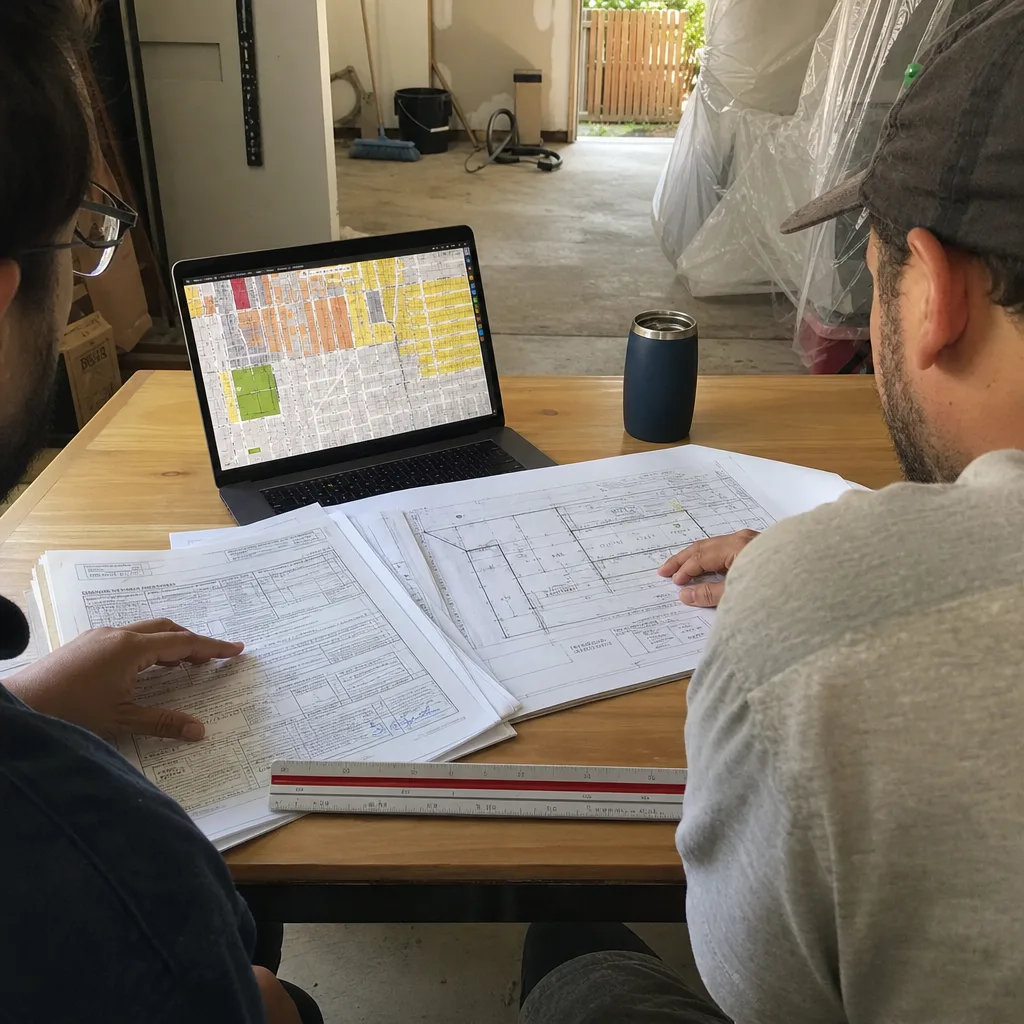
West Hollywood’s ADU ordinance includes planning conditions that bind the property, not the owner who applied. These survive sale, refinance, and estate transfer. Missing them means enforcement action against a new owner who never knew they existed.
Owner-Occupancy Requirements
WeHo requires owner-occupancy of either the primary residence or the ADU for most ADU types constructed under state incentive programs. The C of O notes this, but the condition runs with the land. If you sell, the buyer must continue owner-occupancy or face planning violation proceedings - see our ADU Warning Signs: A West Hollywood Homeowner’s Reference Guide for related risks. Calendar this: verify occupancy status before listing, disclose in sale documentation, and provide the buyer your C of O with conditions highlighted.
Short-Term Rental Restrictions
West Hollywood prohibits short-term rentals (under 30 days) in ADUs permitted under certain state density bonus provisions. This restriction is recorded as a deed notice or planning condition. Violation triggers fines of $500-$1,000 per day and potential revocation of the C of O. If you use a property management service, provide them the C of O conditions explicitly - “no short-term” must be in your rental agreement.
Parking Requirements
Some WeHo ADUs are approved with reduced or waived parking contingent on specific conditions: proximity to transit, on-site car-share membership, or tenant income restrictions. These conditions survive the C of O. Annual verification: confirm any transit proximity requirement still applies (bus lines change), maintain car-share membership documentation, or verify tenant income qualification records if applicable.
Affordability Covenants
ADUs approved under WeHo’s affordable housing incentive programs carry recorded covenants restricting rent levels and tenant income for 55 years. These are deed-recorded and bind all subsequent owners. Before refinancing or sale, verify covenant compliance with the Housing Division - non-compliance can cloud title.
At Ellery ADU Studio West Hollywood home, we provide clients a “Conditions Calendar” at close: every surviving condition, its source document, verification date, and contact at the relevant city department. Under Haven Standard Clause 8 (Future-Proofing), this is standard, not optional.
When Documents Are Missing: The WeHo Building & Safety Records Request Process
If your closing package is incomplete - or if you bought a property with an ADU and no documentation - you can reconstruct most of the record. Here’s the exact process for West Hollywood.
Step 1: Identify the Permit Number
Check the electrical panel for an inspection sticker, or search the New Detached ADU in West Hollywood permit records via the city’s online permit portal using the property address. Pre-2018 permits may be in paper files only.
Step 2: Submit a Public Records Request
WeHo Building & Safety accepts requests in person at 8300 Santa Monica Boulevard, by mail, or through the city’s online portal. Request specifically:
- Approved plan set (all sheets, not just cover sheet)
- Inspection history printout
- Corrections letters and responses
- Certificate of occupancy copy
- Any planning conditions or deed notices
Fee: $0.10 per page for paper copies, plus $15 search fee if the file must be retrieved from archives. Digital records are increasingly available; request PDF format to avoid large copy charges.
Step 3: Verify Completeness
City files often lack soils reports (prepared by private geotechnical firms, not submitted to the city) or Title 24 reports (sometimes filed with the state, not the city). For these, contact the original engineer or energy consultant if identifiable from plan stamps. If not, you’ll need new reports for any structural or energy compliance work - budget $2,500-$5,000 for geotechnical, $800-$1,500 for Title 24.
Step 4: Reconstruct the Inspection Record
If the inspection card is missing, the city’s digital system may still show pass/fail history. But the inspector’s handwritten notes - critical for understanding what was actually verified - may be lost. For insurance or resale purposes, a letter from Building & Safety confirming “all required inspections passed per digital record” is acceptable but weaker than the original card.
Step 5: Address Gaps Before They Become Problems
Missing C of O is the most serious gap. If the ADU was occupied without one, you face potential code enforcement, uninsurability, and inability to refinance. WeHo may allow a “legalization” path - new plans, new inspections, possible upgrades to current code - but this is far more expensive than original permitting. Address this immediately, not at sale time.
Ellery ADU Studio West Hollywood offers a Free Second Opinion on any ADU documentation package - our own projects or others’ - and points you to more guides & resources. If you’re missing critical documents, we’ll identify exactly what’s needed and the path to reconstruct it. Call (213) 329-7167.
Prefab and Modular Systems: Special Maintenance Documentation
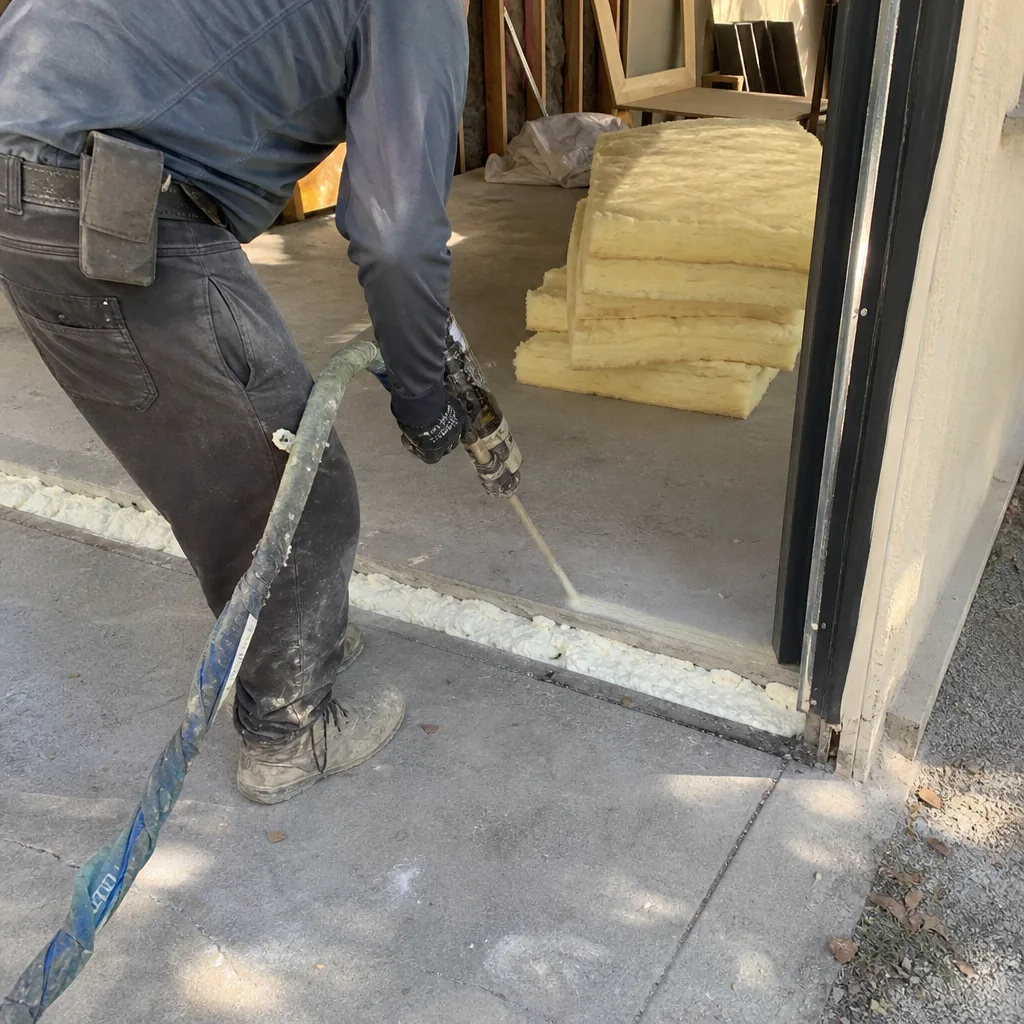
Prefab and modular ADUs - systems from brands like Boxabl, Plant Prefab, Tuff Shed, and James Hardie that Ellery specifies and coordinates - carry documentation requirements beyond site-built projects.
Factory Certification and ICC-ES Reports
Modular units arrive with factory quality certifications and ICC-ES evaluation reports that prove code equivalence. These are not city documents - they’re manufacturer documents - but they’re required for any future structural modification. File with your plan set. For Boxabl’s Casita or Plant Prefab’s LivingHome lines, the specific ICC-ESR number governs what alterations are pre-approved versus requiring new engineering.
Transport and Set Documentation
Crane pick plans, transport route permits, and set-sequence photos document that the unit was placed per manufacturer requirements. Warranty claims for structural issues often require this evidence. We’ve seen Tuff Shed ADU warranty disputes resolved or denied based on set-documentation completeness.
Utility Connection Details
Prefab units often use proprietary connection systems for electrical, plumbing, and HVAC. The “marriage line” connections between modules, or the utility chase details in a Boxabl unit, are manufacturer-specific. Your maintenance records must include the specific connection kit part numbers and installation torque specifications - generic plumber or electrician knowledge won’t suffice.
Manufacturer Maintenance Schedules
James Hardie siding, for example, requires specific caulking inspection intervals and re-painting cycles to maintain its 30-year warranty. These intervals may differ from site-built stucco or wood siding. Calendar them separately from generic home maintenance.
Under our single-contract model, Ellery coordinates factory and site documentation into one closing package. No chasing the manufacturer separately, no gaps between factory warranty and site-work warranty.
Preparing Your Document Package for Resale
When you list a West Hollywood property with an ADU, buyers and their lenders will scrutinize permit documentation more closely than the primary residence. Here’s how to present it.
Organize by Function, Not by Date
Buyers don’t care when you got the permit. They care whether the ADU is legal, insurable, and financeable. Organize:
- Legality: C of O, approved plans, inspection record
- Insurability: Title 24 report (carrier may require), structural and soils documentation
- Financeability: Assessor record showing ADU square footage, rental income documentation if applicable
- Ongoing obligations: Planning conditions calendar, affordability covenants, maintenance records
Disclose Planning Conditions Explicitly
California disclosure forms don’t always capture ADU-specific conditions clearly. Provide a supplemental disclosure: “ADU subject to West Hollywood Planning Condition [number]: [summary]. Next verification due: [date].” This protects you from post-sale claims and signals organized ownership to buyers.
Verify Square Footage Consistency
Compare your approved plans, Assessor record, and C of O. Discrepancies of even 20 square feet trigger lender questions. If the Assessor measured differently than your architect, explain why (typically: covered porch inclusion/exclusion, wall thickness measurement method).
Provide Maintenance History
Annual inspection photos, HVAC service records, and waterproofing warranty status demonstrate responsible ownership. In West Hollywood’s competitive market, this documentation can justify a higher asking price or faster close.
Our 900+ projects since 2015 have taught us that the best-prepared sellers close fastest. The documented photo record we provide on every visit - part of Haven Standard Clause 3 - becomes your maintenance history at resale.
Common Mistakes to Avoid
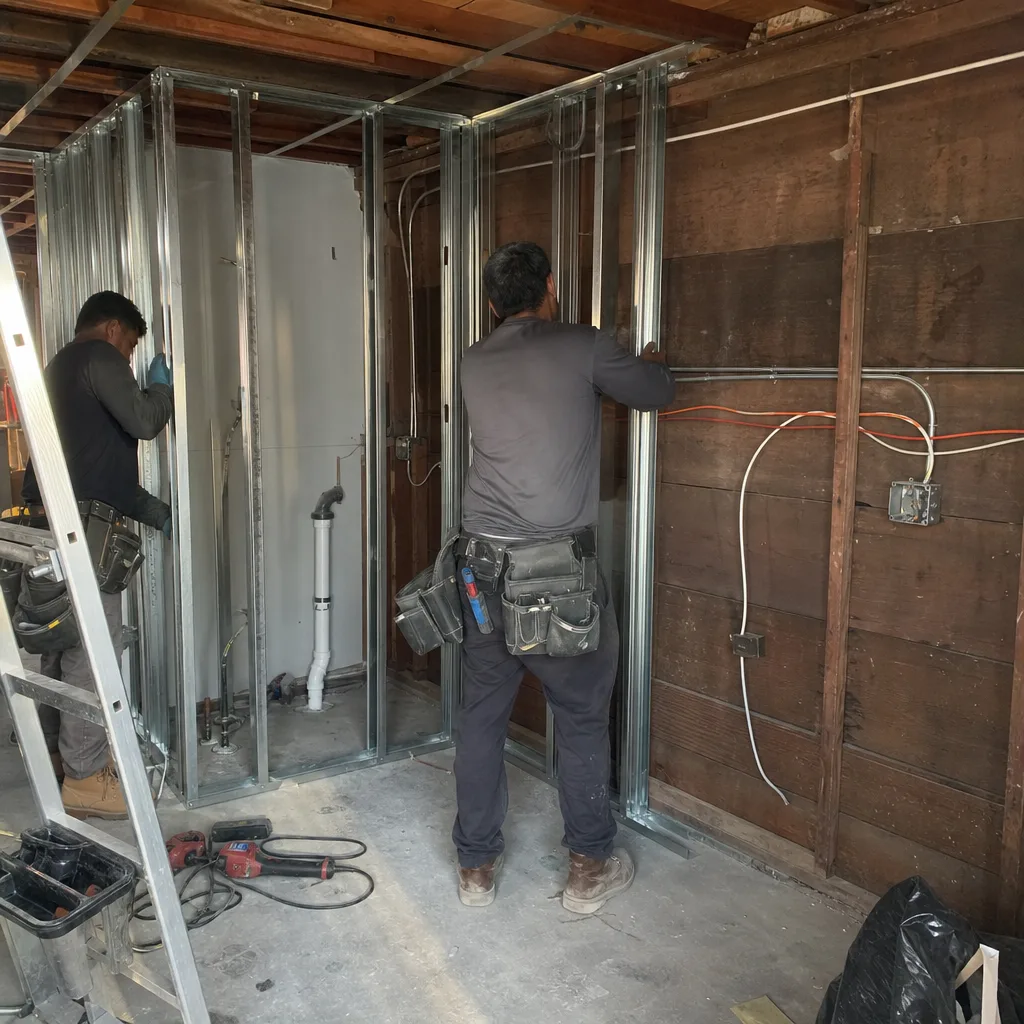
- Storing documents only with your contractor. Contractors retire, sell, or lose files. You need your own complete set, physical and digital, before final payment.
- Assuming the city “has copies of everything.” WeHo Building & Safety retains records, but retrieval is slow, fees apply, and private consultant reports (soils, Title 24) were never submitted to them.
- Ignoring C of O conditions because “they’re not enforced.” West Hollywood’s Code Compliance Division actively investigates short-term rental listings and owner-occupancy claims. Enforcement is complaint-driven, and complaints are common in dense neighborhoods.
- Failing to calendar planning condition verification dates. A 55-year affordability covenant has annual income certification requirements. Missing one year can trigger default.
- Using generic maintenance checklists for prefab systems. Boxabl wall panels, Plant Prefab’s CLT construction, and James Hardie siding each have manufacturer-specific maintenance requirements that override generic advice.
- Not attending the Assessor’s physical inspection. Their measurement method may differ from yours. Presence prevents disputes that take months to resolve.
- Discarding “superseded” plan sheets. The city may have required changes during construction. The final approved set includes these; intermediate versions don’t. Keep only the stamped final, but verify it’s complete.
When to Call a Professional
Call a design-build professional when your document package has gaps you can’t close through public records, when planning conditions require legal interpretation, or when maintenance reveals discrepancies with approved plans - a wall where none was shown, a missing egress window, an unpermitted electrical subpanel. These issues compound with time and can derail sale or refinance.
Ellery ADU Studio West Hollywood offers free estimates in West Hollywood - call (213) 329-7167. We also provide a Free Second Opinion on any written estimate or documentation package already in hand, with no obligation to hire. If your ADU was built by another firm and the closing package is thin, we’ll assess what’s recoverable and what needs reconstruction.
Frequently Asked Questions
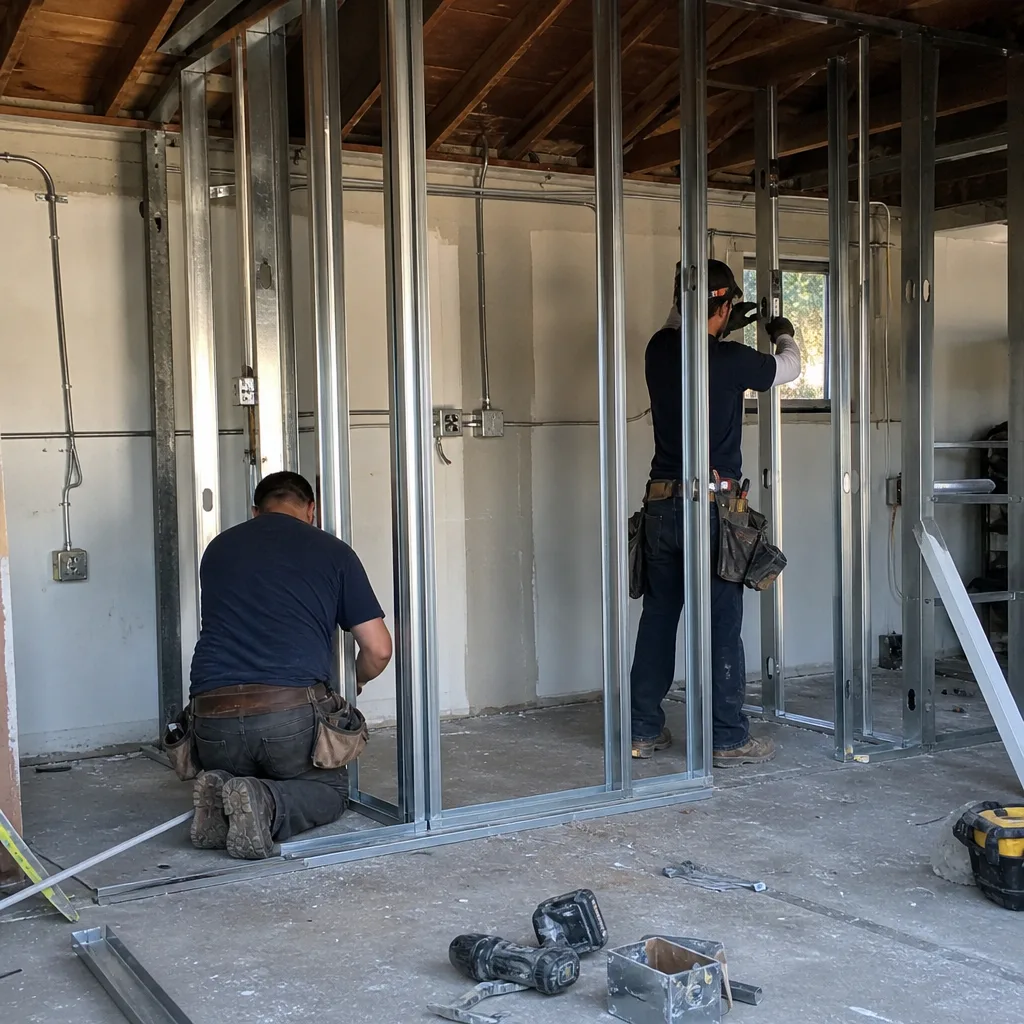
Reconstruction typically runs $3,500-$8,500 depending on gaps: $800-$1,500 for Title 24 energy compliance recreation, $2,500-$5,000 for geotechnical soils report if foundation work was involved, and $500-$2,000 for plan set reproduction from city files. Missing C of O requires a legalization path that can exceed $15,000 if code upgrades are triggered. Call (213) 329-7167 for an exact assessment - estimates are free.
Under Haven Standard Clause 1, every project at Ellery ADU Studio West Hollywood is quoted with a written price before any work begins. The scope is locked at signing per Clause 5 (No Surprises). Document reconstruction is scoped as a defined deliverable, not open-ended hourly work.
Yes. Any work requiring city verification - new plans, new inspections, or C of O reissuance - includes permit application, plan check, and inspection scheduling as part of our single-contract service. Permits are pulled in our name, with our license number, and all inspections are passed before close.
Digital records for permits filed after 2018 are typically available within 5-10 business days. Pre-2018 paper files require physical retrieval and can take 4-6 weeks. Complex files with multiple corrections cycles or appealed decisions may take longer. Submit requests with specific permit numbers to avoid search delays.
Unpermitted ADUs face code enforcement action, potential fines of $100-$500 per day of continued violation, inability to obtain insurance coverage for the unit, and exclusion from rental income calculations for refinance. WeHo may offer a voluntary compliance program requiring new plans, potential structural and energy upgrades to current code, and full inspection. The cost typically exceeds original permitted construction by 30-50%. Address this before listing or refinancing.
Factory warranties require registration, often within 30-90 days of installation, and annual maintenance documentation. Contact the manufacturer with your unit serial number - found on the data plate, typically near the electrical panel - to confirm registration status and remaining coverage. For Boxabl, Plant Prefab, Tuff Shed, or James Hardie systems that Ellery coordinates, we handle registration and provide the maintenance schedule as part of closing documentation.
The Bottom Line
Your ADU’s permit documents are a maintenance asset, not a filing burden. The stamped plan set, inspection record, and C of O with its conditions protect resale value, enable future work, and prevent tax and enforcement surprises. In West Hollywood’s high-value, tightly regulated market, organized documentation separates professional-grade ownership from costly guesswork. Maintain permit-tied systems to approved specifications, calendar surviving planning conditions, file promptly with the Assessor, and verify prefab warranty requirements. The effort at close and annually afterward returns multiples in avoided cost and preserved value.
Written by Nadia Ellery, Owner at Ellery ADU Studio West Hollywood, serving West Hollywood since 2015.